
Cover-Up at London's Glitch
Cover-up tattooing is the process of transforming an existing tattoo into a new design that works visually on its own while successfully disguising what sits underneath.
Every cover-up is different. The size, darkness, colour, age and placement of the existing tattoo all influence what is realistically possible. At London's Glitch, our cover-up tattoo artists work across different styles and techniques, allowing us to approach each project around the individual tattoo rather than forcing every cover-up into the same aesthetic.
Successful cover-up tattooing starts with understanding the tattoo that is already there.
The artist needs to consider its size, shape, saturation, colour, age, linework and position on the body before deciding what kind of new design can realistically work. A cover-up is therefore designed around both the client's new idea and the visual information underneath it.
Cover-ups do not simply involve placing a darker image directly over an old tattoo. Strong composition, contrast, texture, movement and carefully positioned detail are used to redirect the eye and integrate the existing tattoo into a new piece.
The new tattoo will often need to be larger than the original. This gives the artist enough space to create a convincing composition rather than concentrating all of the new detail directly over the old design.
Different tattoo styles can be particularly effective for different cover-ups. Blackwork, realism, ornamental work, abstraction, colour and other approaches can all provide useful ways of introducing depth, texture and visual structure.
In some cases, laser fading before a cover-up can create more possibilities by reducing particularly dark or saturated areas. However, laser treatment is not automatically required. The artist will first assess the existing tattoo and explain what can realistically be achieved without it.
Colour can sometimes be used successfully in cover-up tattooing, but the existing pigment underneath needs to be considered carefully. The final palette, contrast and design will depend on what is already present in the skin.
Cover-ups can range from relatively small transformations to complete reworks, sleeves and larger projects that incorporate several existing tattoos into one new composition.
At London's Glitch, different artists specialise in different approaches to cover-up work. The goal is not simply to hide the previous tattoo. It is to create a new tattoo that feels intentional, balanced and complete in its own right.
For a cover-up enquiry, clear photographs of the existing tattoo are essential. Images should be taken in natural light, straight-on and without filters so the artist can properly assess the existing work before recommending the next step.
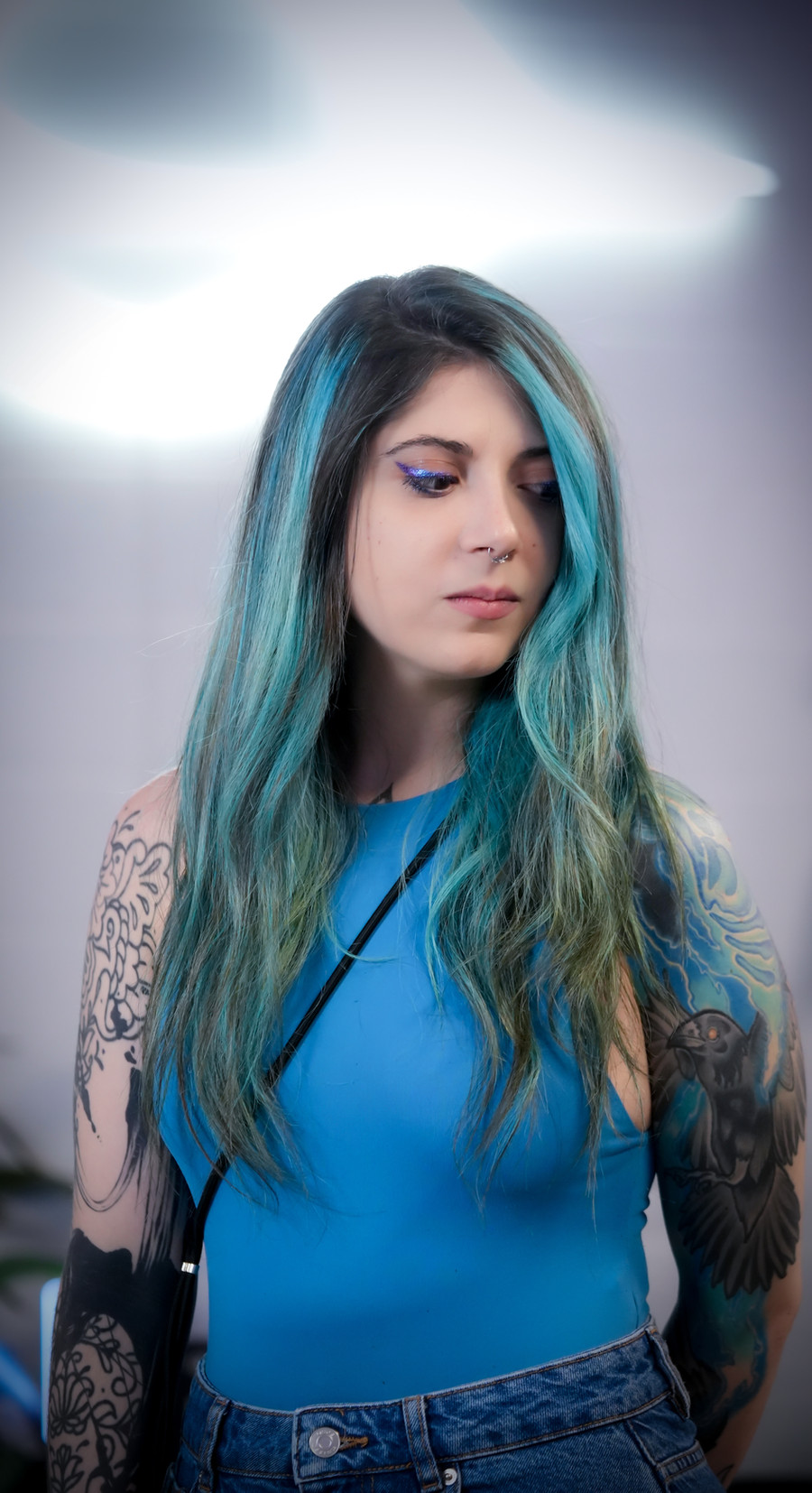
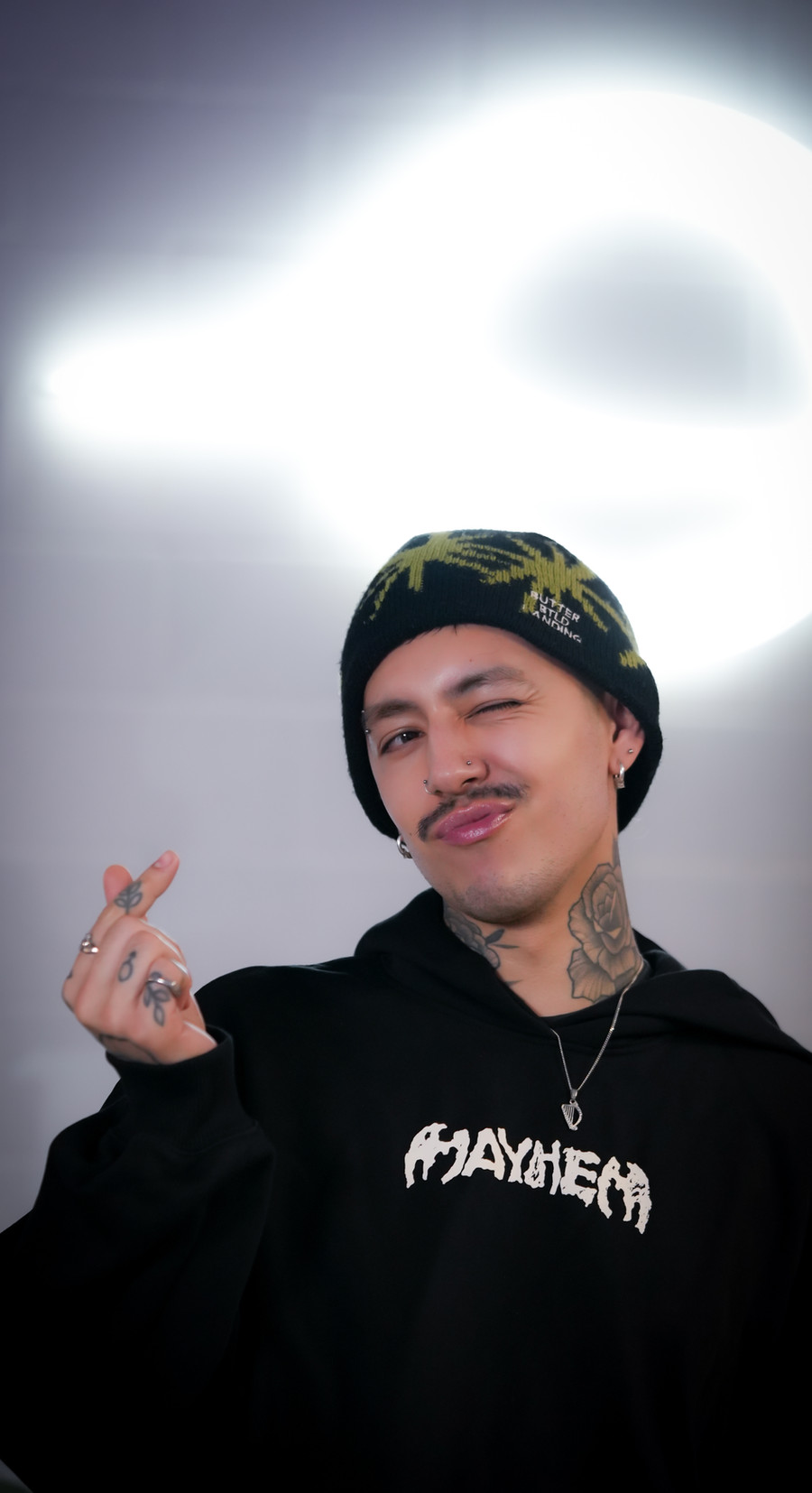
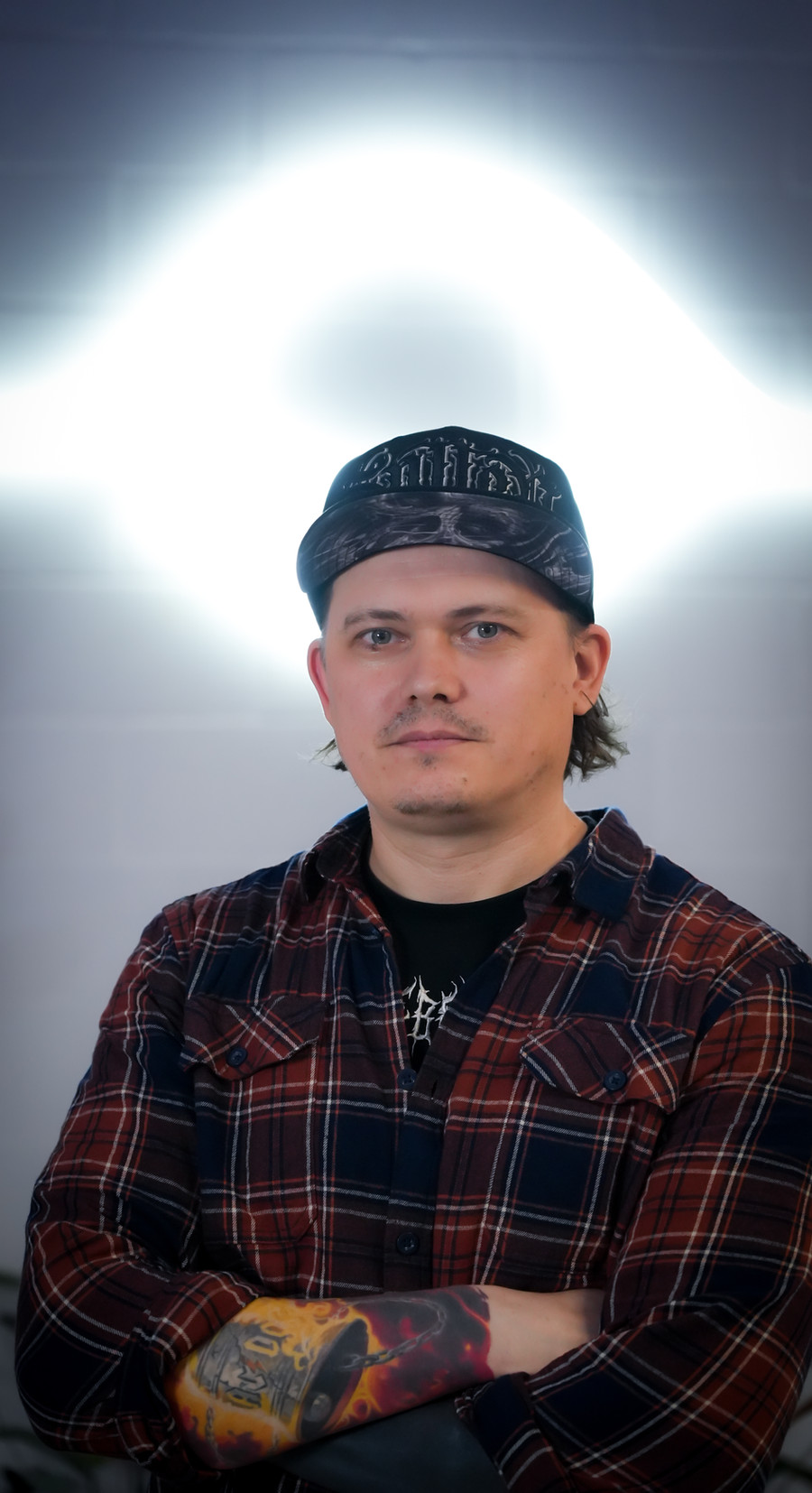
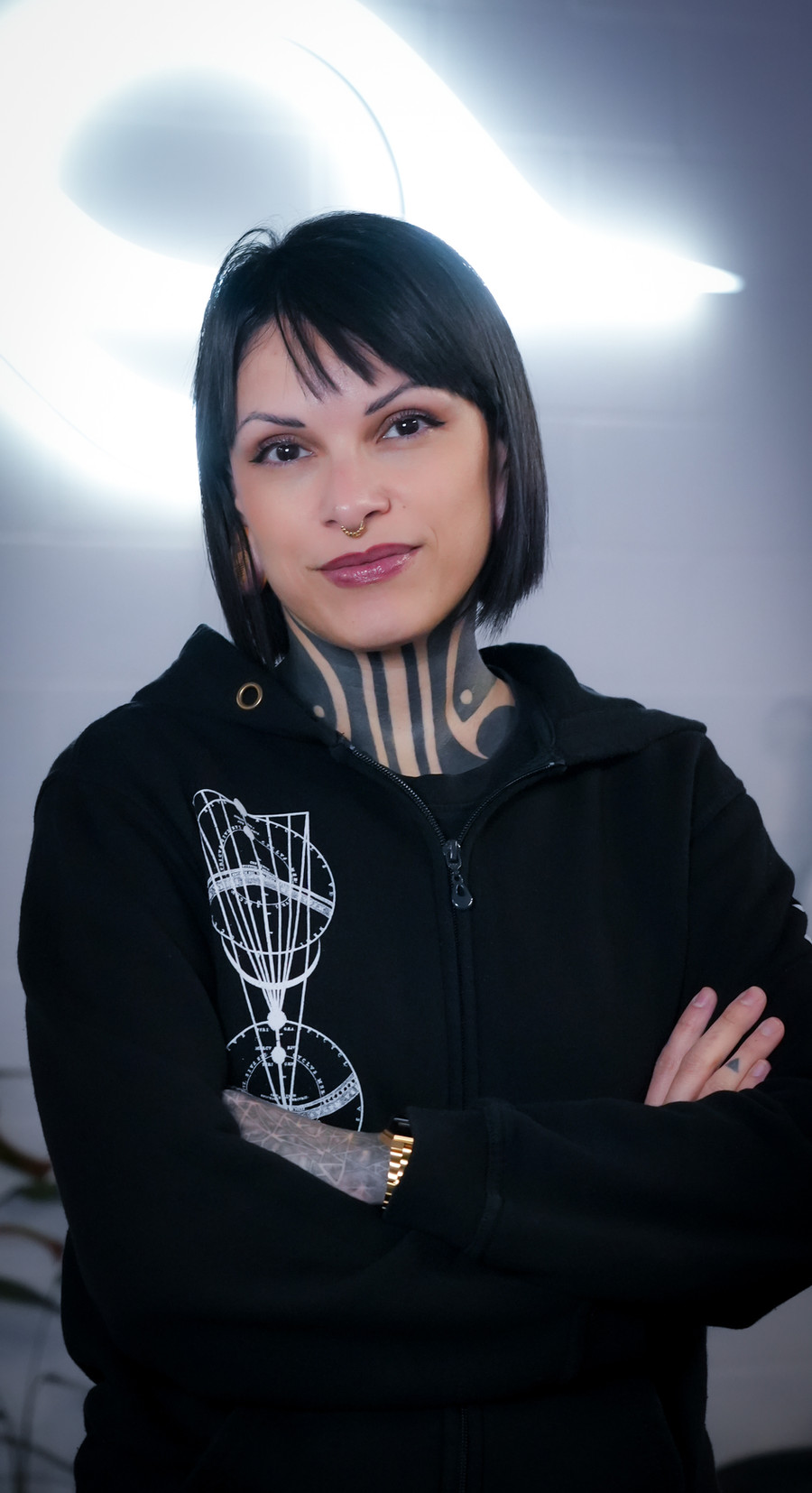
Cover-Up Artists at London's Glitch
Want to cover or rework an existing tattoo?
Send us clear photographs of your current tattoo together with your new idea, approximate size and placement. We'll assess the existing work and help you understand what options are realistically available.